It’s a familiar story. You toss a load of wet towels into the dryer, set it for an hour, and come back to find them… still damp. Frustrating, right? Before you start searching for a new appliance, the real culprit might be hiding in plain sight: your dryer vent. Knowing How Often To Clean Dryer Vent systems isn’t just about getting fluffy towels faster; it’s one of the most critical, yet overlooked, safety tasks in any home. Here at Clothes Dryer Guide, we’re pulling back the curtain on this essential chore to keep your family safe and your laundry day running smoothly.
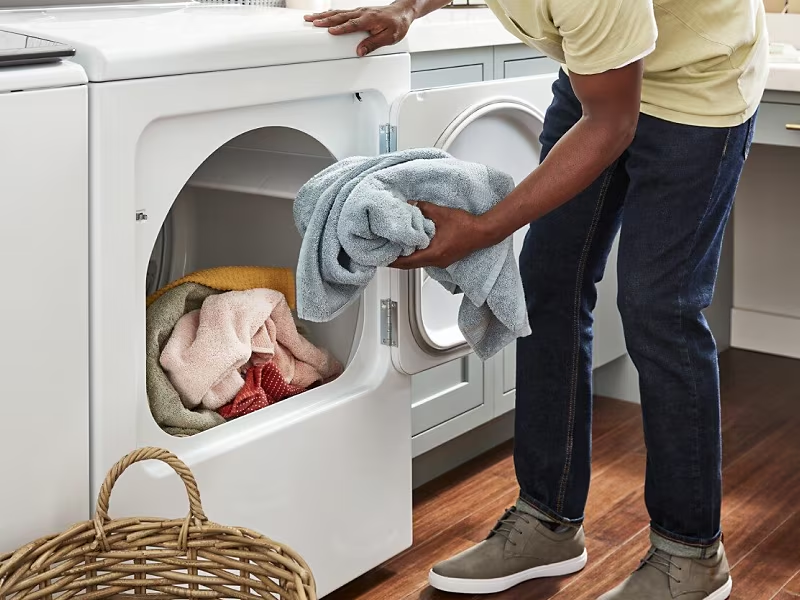
Why Cleaning Your Dryer Vent is a Non-Negotiable Task
Let’s be honest, cleaning a long, hidden tube isn’t exactly a glamorous job. It’s easy to put off. But think of your dryer vent like a chimney for your appliance. Every time you dry a load, tiny, flammable fibers—lint—get past the lint trap and are pushed into the vent. Over time, this builds up, and that’s where the trouble starts.
Ignoring your dryer vent can lead to three major problems:
- A Serious Fire Hazard: This is the big one. According to the U.S. Fire Administration, nearly 3,000 residential fires are caused by clothes dryers each year, and the leading cause is a failure to clean them. Lint is highly combustible. When it clogs the vent, the hot, moist air from the dryer can’t escape, causing heat to build up to dangerous levels that can ignite the lint.
- Skyrocketing Energy Bills: A clogged vent forces your dryer to work much harder and run longer to get your clothes dry. It’s fighting against a blockage, struggling to push air through. This extra runtime translates directly into wasted electricity or gas, padding your utility bills month after month.
- Premature Appliance Death: The excessive heat and strain caused by poor airflow puts a huge amount of stress on your dryer’s heating element, motor, and other critical components. This can lead to costly repairs and significantly shorten the lifespan of your appliance. An afternoon of cleaning can save you hundreds of dollars on a new machine.
Expert Insight: “We see it all the time,” says James Peterson, a certified appliance technician with over 15 years of experience. “A homeowner calls about a dryer that’s not heating, and 9 times out of 10, the root cause is years of impacted lint in the vent line. It’s a simple problem that can cause catastrophic failure if ignored.”
So, How Often to Clean Dryer Vent Ducts, Really?
Alright, down to brass tacks. The simple, universal answer is: You should deep clean your dryer vent from the dryer to the exterior of your home at least once a year.
For many households, this annual cleaning is sufficient. However, “once a year” is a baseline, not a one-size-fits-all rule. You might need to adjust this schedule based on your specific circumstances.
Factors That Change the Cleaning Frequency
Think of your laundry habits and home layout as variables in the dryer vent equation. You may need to clean your vent every six months if you identify with any of these scenarios:
- You Have a Large Family: The more people in your home, the more laundry you do. A family of five doing multiple loads a day will generate significantly more lint than a single person doing a few loads a week.
- You Have Furry Friends: We love our pets, but their fur is a major contributor to lint buildup. If you’re constantly washing pet beds, blankets, and fur-covered clothes, your vent will clog much faster.
- You Have a Long or Complicated Vent Run: In a perfect world, your dryer vent would be a short, straight shot to the outside wall. In reality, many are long, winding paths with several bends and elbows. Every turn is a potential spot for lint to snag and accumulate, requiring more frequent checks.
- Your Dryer is Getting Old: Older dryers may not have the same blowing power or lint-capturing efficiency as newer models, potentially allowing more lint to escape into the vent system. If you’re working with a vintage machine, keep a closer eye on it.
What Are the Warning Signs of a Clogged Dryer Vent?
Your dryer is pretty good at telling you when something’s wrong—you just have to know what to look for. If you notice any of these red flags, it’s time to clean your vent immediately, even if it hasn’t been a year.
- Clothes Take Forever to Dry: Is one cycle turning into two or even three? If you have to keep restarting the dryer, poor airflow is the most likely culprit.
- The Dryer is Hot to the Touch: The outside of your dryer should feel warm, but it should never be uncomfortably hot. Excessive heat means the hot air is trapped inside the drum instead of being vented outside.
- You Smell Something Burning: A faint, hot, or burning smell when the dryer is running is a major warning sign. This could be the lint inside the vent or machine starting to scorch from the high temperatures. Stop using the dryer immediately and investigate.
- The Outside Vent Flap Doesn’t Open: Go outside while your dryer is running. You should see the vent flap open and feel a steady stream of warm, moist air. If the flap is closed or there’s barely any air coming out, you have a significant blockage.
- Lint is All Over the Place: Do you see lint accumulating around the outside vent opening or behind the dryer? This indicates that the air is having trouble escaping and is depositing lint wherever it can.
Can I Clean My Dryer Vent Myself?
Absolutely! For many homeowners, this is a manageable DIY project. It will save you money and give you peace of mind. However, if your vent run is very long, located on the roof, or you’re simply not comfortable with the task, calling a professional is always a smart choice.
If you’re ready to tackle it yourself, here’s a basic step-by-step guide:
- Safety First: Unplug your dryer from the wall. If you have a gas dryer, you must also turn off the gas supply valve.
- Disconnect: Carefully pull the dryer away from the wall and disconnect the venting tube from the back of the appliance.
- Clean Behind the Dryer: Vacuum the area behind the dryer and the port on the dryer itself where the vent connects. You’ll be surprised at how much lint collects here.
- Time to Brush: This is where a dedicated dryer vent cleaning kit comes in handy. These kits typically include a flexible rotary brush that attaches to a power drill.
Bảng trống. - Clean from Both Ends: If possible, work from both the inside and the outside. Insert the brush into the duct and, using your drill on a low speed, slowly feed it through the entire length of the vent. As you pull it back out, it will drag the collected lint with it.
- Clean the Exterior Vent: Remove any covers or screens on the outside vent and clear away any lint or debris. Make sure the flap can move freely.
- Reconnect and Test: Securely reattach the vent to your dryer and the wall, ensuring there are no kinks. Push your dryer back, plug it in (and turn the gas back on, if applicable), and run a short, empty cycle to confirm that air is flowing strongly out of the exterior vent.
Frequently Asked Questions
What’s the difference between the lint trap and the dryer vent?
The lint trap (or lint screen) is the mesh filter you should be cleaning out after every single load. It catches the majority of the lint. The dryer vent is the entire duct system that carries the hot air, moisture, and any lint that gets past the trap from your dryer to the outside of your house.
How much does it cost to have a dryer vent cleaned professionally?
The cost can vary depending on your location and the complexity of your vent system, but you can typically expect to pay between $100 and $200 for a professional cleaning service. If your vent is on the roof or exceptionally long, the price may be higher.
Is a clogged plastic dryer vent more dangerous?
Yes, significantly. Flexible, white plastic or vinyl vent hoses are no longer up to code in many places for a reason. They are flimsy, easily crushed, and the ridges inside them are perfect for trapping lint. Even worse, they are not fire-resistant. If you have one of these, you should replace it immediately with a rigid or semi-rigid metal vent. For more information, check out our guide on choosing the right dryer vent materials.
How do I know if my dryer vent is too long?
Most dryer manufacturers recommend a maximum vent length of about 35 feet. However, you have to subtract 5 feet for every 90-degree turn and 2.5 feet for every 45-degree turn. A vent that is too long will struggle to push air effectively, even when clean.
Do condenser or heat pump dryers have vents that need cleaning?
This is a great question we get all the time! Traditional vented dryers are the ones that require an external vent. Condenser and heat pump dryers are “ventless” models that don’t exhaust air outside. They still have lint traps and internal components that need regular cleaning, but you won’t have the long external duct to worry about. You can learn more in our breakdown of different dryer types.
Your Partner in a Safe and Efficient Home
Taking care of your dryer vent is a small investment of time that pays huge dividends in safety, efficiency, and peace of mind. By making it a regular part of your home maintenance routine, you’re protecting your family, saving money, and helping your trusty dryer live a long and productive life. Understanding how often to clean dryer vent ducts is the first and most important step.
We’d love to hear from you! How often do you clean your dryer vent? Have you ever had a scary clog? Share your experiences and tips in the comments below to help our community of savvy homeowners.