If your dryer tumbles but produces no heat, the most common culprit is a blown thermal fuse, a small, non-resettable safety component designed to prevent overheating. Replacing a dryer thermal fuse is a straightforward DIY repair that typically costs between $5 and $15 for the part, saving you $100-$200 compared to a professional service. This guide will walk you through the process, emphasizing thorough cleaning to prevent future failures.
This isn’t just about swapping a part; it’s about understanding why it failed in the first place. Think of us as your trusted partner in this process, ensuring you not only fix the immediate problem but also prevent it from happening again.
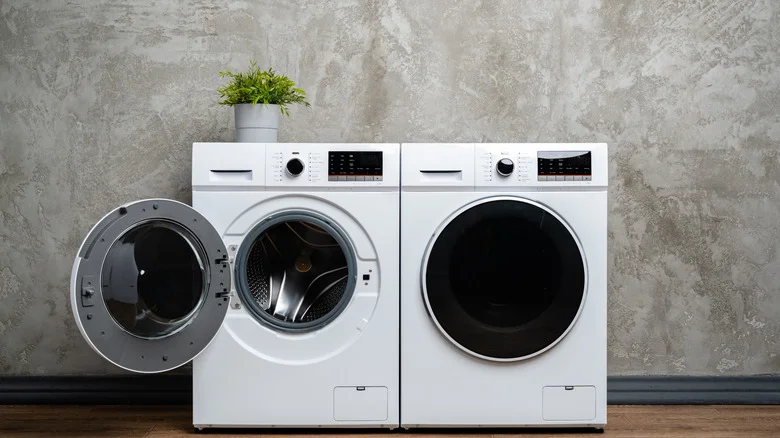
What Exactly is a Dryer Thermal Fuse and Why Does It Blow?
A dryer thermal fuse is a small, non-resettable safety component. Its one and only job is to protect your dryer from overheating and potentially causing a fire. If the temperature inside your dryer’s housing gets dangerously high, the fuse blows—it intentionally breaks an electrical circuit, cutting power to the heating element or the entire machine.
A blown thermal fuse is a symptom, not the root cause. It’s your dryer’s emergency alarm bell. The most common reasons it gets triggered include:
- Clogged Lint Vent: This is the number one offender. Over time, lint builds up in the flexible hose behind your dryer and the vent leading outside. This blockage traps hot, moist air, causing temperatures to skyrocket.
- Overloaded Lint Trap: Forgetting to clean the lint trap before every cycle is a recipe for poor airflow and overheating.
- Faulty Components: Less commonly, a failing cycling thermostat or a malfunctioning heating element can cause the temperature to run wild.
Understanding this is crucial because simply replacing the fuse without addressing the underlying airflow issue means you’ll be doing this repair again very soon.
Is a Blown Thermal Fuse Really the Problem?
Before you start taking your dryer apart, let’s confirm the diagnosis. The classic sign of a blown thermal fuse is a dryer that tumbles perfectly but produces zero heat. In some models, a blown fuse will prevent the dryer from starting at all.
The most definitive way to know for sure is to test the fuse for continuity with a multimeter. A good fuse will have continuity (a reading of zero or close to it), meaning electricity can pass through. A blown fuse will have no continuity (an “infinite” or “OL” reading), indicating the circuit is broken. If you don’t own a multimeter, they are an affordable and invaluable tool for any DIY-er.
“I always tell my clients that a thermal fuse is the hero of the appliance world. It sacrifices itself to save your home from a potential fire. When you’re learning how to replace a dryer thermal fuse, remember to also fix what caused it to blow. It’s about respecting the warning it gave you.” – Michael Reynolds, Appliance Repair Expert
The Tools and Parts You’ll Need
Gathering your tools beforehand makes the job go much smoother. You won’t need anything too specialized.
- A new thermal fuse: This is critical. You must use the exact replacement part for your dryer’s make and model. You can find the model number on a sticker inside the dryer door or on the back panel.
- Screwdriver or nut driver set: Most dryers use 1/4-inch or 5/16-inch hex-head screws and some Phillips screws.
- Putty knife: For prying open a front panel if your model requires it.
- Work gloves: To protect your hands from sharp metal edges.
- Shop vacuum with a long hose attachment: Essential for the most important step—cleaning.
- Multimeter (Recommended): For confirming the old fuse is blown and testing other components.
Your Step-by-Step Guide on How to Replace a Dryer Thermal Fuse
Alright, are you ready to get that dryer heating again? Take a deep breath. You can do this. We’ll guide you through the entire process.
- Safety First: Unplug Everything!This is non-negotiable. Unplug your dryer from the wall outlet. For electric dryers, this is a large 240-volt outlet. For gas dryers, unplug the standard 120-volt cord and shut off the gas supply valve, which is usually located on the pipe behind the dryer. Your safety is paramount.
- Get Access to the InternalsThis is where dryers differ. For most models, the thermal fuse is accessible from the back. You’ll need to pull the dryer away from the wall and remove the thin metal back panel by taking out the surrounding screws. For some other models, especially certain Whirlpool, Kenmore, or Maytag designs, you may need to access it from the front by removing the lower front panel or even the entire drum. A quick search for your specific model (“how to open [Your Dryer Model]”) can provide a visual guide if you’re unsure.
- Locate the Thermal FuseNow for the treasure hunt. The thermal fuse is a small, white, plastic component, usually no bigger than your thumbnail, with two wires connected to it. It’s almost always located on the blower wheel housing (the part that moves the air) or on the heating element duct. It will be screwed into the metal housing.
- Test the Old Fuse (The Moment of Truth)If you have a multimeter, set it to the lowest Ohms or continuity setting. Disconnect the two wires from the fuse and touch one probe to each metal terminal on the fuse. If you hear a beep or see a reading of zero, the fuse is good, and your problem lies elsewhere (check out our guide to
[common dryer problems and solutions]). If it’s silent and the reading doesn’t change from “OL” or infinity, congratulations—you’ve found your culprit! - Remove the Old FuseThis is the easy part. Simply remove the single screw holding the fuse in place. It will come right off. Keep the screw in a safe place.
- Install the New FusePosition the new fuse exactly where the old one was and secure it with the same screw. Don’t overtighten it—just snug is fine. Reconnect the two wires to the terminals. It doesn’t matter which wire goes on which terminal.
- IMPORTANT: Clean Everything ThoroughlyDo not skip this step! This is how you prevent a repeat failure.
- While the back panel is off, vacuum all the lint you can see inside the dryer cabinet, especially around the motor and heating element.
- Disconnect the flexible vent hose from the back of the dryer and from the wall. Vacuum out the hose and the port on the dryer.
- Use a vent cleaning brush kit and your vacuum to clean out the entire length of the duct that runs through your wall to the outside. You will be shocked at how much lint comes out.
- Reassemble and Test Your WorkCarefully put the back panel on, reconnect the vent hose, and move the dryer back into place. Turn the gas back on if you have a gas model. Plug the dryer back in. To test it, toss in a few damp towels and run a timed dry cycle on high heat. After a few minutes, you should feel glorious, wonderful heat.
What if the Fuse Blows Again?
If you’ve followed these steps, especially the cleaning part, your new fuse should last for years. If it blows again quickly, it’s time to investigate deeper. The most likely cause is a faulty cycling thermostat, which is often located near the thermal fuse and is a similarly straightforward part to replace.
Frequently Asked Questions (FAQ)
Q: How much does it cost to replace a dryer thermal fuse?
A: This is one of the cheapest appliance repairs. The fuse itself typically costs between $5 and $15. If you do the labor yourself, that’s your total cost. A professional repair service will likely charge between $100 and $200 for the visit and labor.
Q: Can I just bypass a dryer thermal fuse to get it working?
A: Absolutely not. Bypassing a thermal fuse is incredibly dangerous. You would be disabling a critical safety feature designed to prevent a fire. Never, ever bypass a safety component on any appliance.
Q: Where is the thermal fuse on a Whirlpool or Samsung dryer?
A: While locations vary by exact model, on many popular Whirlpool, Kenmore, and Maytag dryers, it’s on the blower housing, accessible by removing the back panel. On many Samsung and LG models, it’s similarly located on the heating element duct or blower housing, also accessed from the back.
Q: What’s the difference between a thermal fuse and a thermostat?
A: A thermal fuse is a one-time use safety device that blows to cut power when a dangerous temperature is reached. A thermostat is a control device that cycles the heat on and off to maintain a set temperature during a normal drying cycle.
Q: How do I know I’m buying the correct replacement fuse?
A: Always use your dryer’s model number to look up the part. The part number for the fuse will be listed in your user manual or can be found on appliance part websites. Using the wrong fuse can be ineffective or dangerous.
Congratulations on a job well done! By taking the time to learn how to replace a dryer thermal fuse, you’ve not only saved money but also made your home safer by giving your dryer’s ventilation system a much-needed cleaning. You’ve successfully tackled a common household repair and are now more knowledgeable about the appliances you rely on every day.
We’d love to hear about your experience! Share your success story or any tips you discovered in the comments below.
Frequently Asked Questions
How much does it cost to replace a dryer thermal fuse?
Replacing a dryer thermal fuse is one of the cheapest appliance repairs, with the fuse itself typically costing between $5 and $15. If you perform the labor yourself, this is your total cost, saving you $100 to $200 compared to hiring a professional repair service.
Can I bypass a dryer thermal fuse to make my dryer work?
Absolutely not. Bypassing a thermal fuse is extremely dangerous as it disables a critical safety feature designed to prevent dryer fires. Never bypass any safety component on an appliance.
Where is the thermal fuse typically located on common dryer brands?
On many Whirlpool, Kenmore, and Maytag dryers, the thermal fuse is located on the blower housing, accessible by removing the back panel. For Samsung and LG models, it's often found on the heating element duct or blower housing, also accessed from the back of the unit.
What is the difference between a thermal fuse and a thermostat in a dryer?
A thermal fuse is a one-time use safety device that permanently breaks an electrical circuit to cut power when a dangerous temperature is reached. In contrast, a thermostat is a control device that cycles the heat on and off to maintain a consistent, set temperature during normal drying cycles.
How do I ensure I purchase the correct replacement thermal fuse for my dryer?
To ensure you buy the correct replacement fuse, always use your dryer's specific model number to look up the part. The correct part number can be found in your user manual or on appliance part websites, as using the wrong fuse can be ineffective or dangerous.
Get our weekly buyer guide
Practical specs, not advice. Unsubscribe anytime.
I tried replacing the thermal fuse myself after reading this, and while it did fix the no-heat issue, getting to the fuse on my specific dryer model was a bit more challenging than I expected. The part itself was cheap, which was great, but I wish there were more tips for different dryer layouts. Still, it works now, so I can’t complain too much.
This was incredibly helpful! My dryer had been overheating and then just stopped heating altogether. I learned that the thermal fuse is a safety component, and replacing it was surprisingly easy. The emphasis on cleaning out the dryer vents and ducts was a crucial tip I hadn’t considered before. Highly recommend this approach.
I was so frustrated when my dryer stopped heating, but the drum was still spinning. This guide was a lifesaver! I followed the steps to replace the thermal fuse, and it was exactly as described – a super affordable fix. Saved me a ton of money compared to calling a repairman, and my clothes are finally dry again.
My dryer was acting up, tumbling but no heat, and I suspected it was the thermal fuse. The instructions here were really clear, especially the part about cleaning out the lint to prevent future failures. It took me about an hour, and the part was only $12. Definitely worth the DIY effort.