For a large family, the best clothes dryer is typically one with a capacity of 7.4 cubic feet or larger, featuring sensor drying technology and specialized cycles like steam or sanitize. These specifications ensure the machine can efficiently handle substantial laundry loads, bulky items, and frequent use without over-drying or excessive energy consumption, making laundry day more manageable for households of five or more people.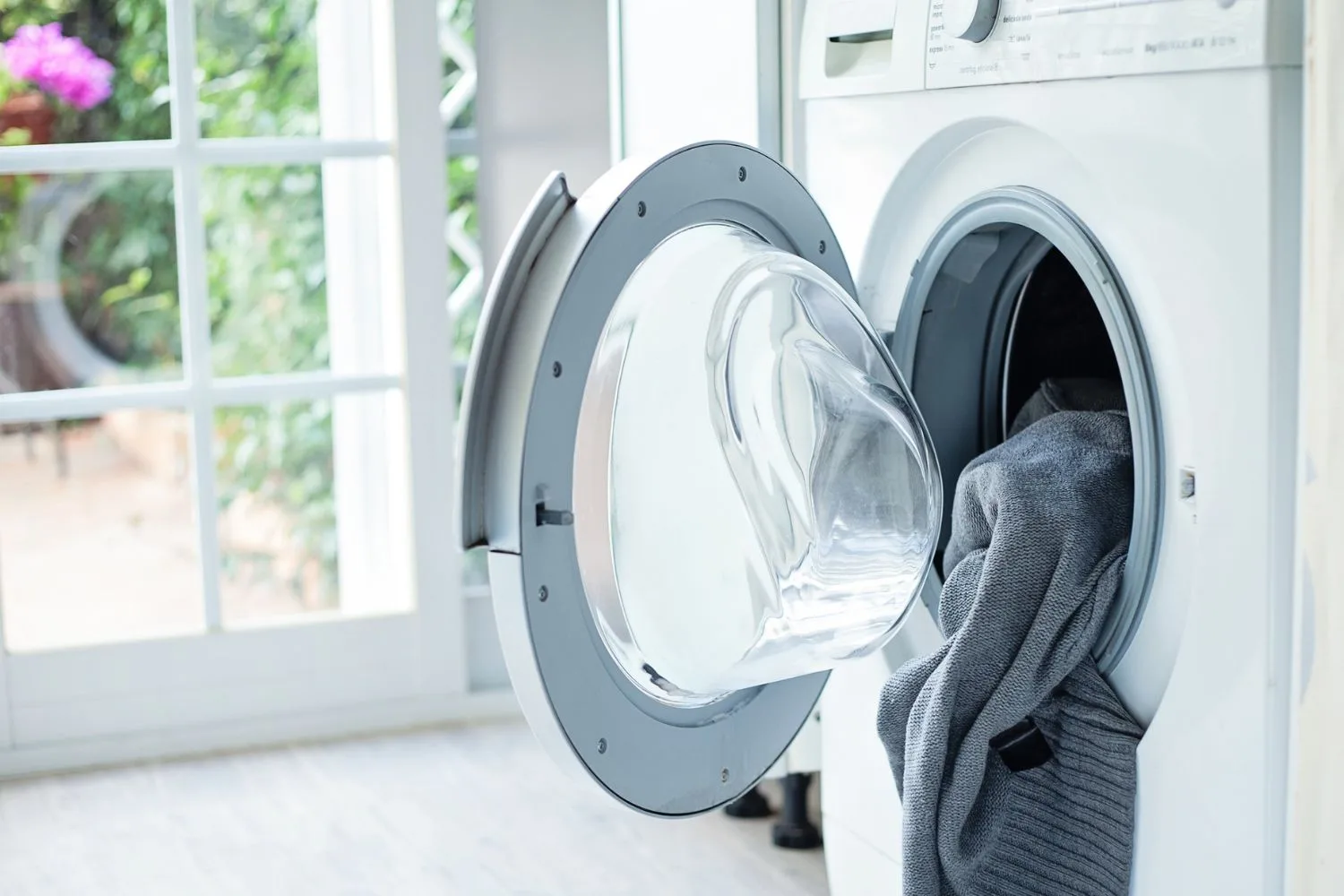
Why Your Old Dryer Just Can’t Keep Up
If you’re constantly running back-to-back dryer cycles and still finding damp towels, it’s not you—it’s your machine. Standard dryers are simply not built for the demands of a family of five, six, or more.The primary issue is capacity. A small drum means you have to split large loads, effectively doubling your drying time. It also means bulky items like a king-sized comforter or a week’s worth of towels never get properly tumbled, leading to damp spots and that dreaded mildew smell. A machine designed for a large family isn’t just bigger; it’s built tougher to handle the relentless workload day in and day out.
The Big Three: Understanding Your Dryer Options
Before you start measuring your laundry room, it’s crucial to understand the core technology that powers these machines. There are three main types of clothes dryers on the market, each with its own pros and cons for a bustling household.
Vented Dryers
This is the classic, old-school dryer. It works by heating air, tumbling it with your clothes, and then expelling the hot, moist air outside through a vent.
- Pros: Generally the cheapest to buy and dries clothes the fastest.
- Cons: Requires professional installation to run a vent to the exterior of your home, limiting where you can place it. They are also the least energy-efficient option.
Condenser Dryers
Condenser dryers are a great solution for homes where external venting isn’t possible. They heat air to dry clothes, but instead of expelling it, they cool the moist air internally, collecting the condensed water in a reservoir or draining it through a hose.
- Pros: Can be installed almost anywhere with a power outlet. More energy-efficient than vented models.
- Cons: Drying cycles can take longer, and they can release some heat and humidity into the room. The water reservoir needs to be emptied regularly if not plumbed in.
Heat Pump Dryers
This is the new kid on the block and the most energy-efficient of the bunch. A heat pump dryer recycles and reheats the air within the drum, using a refrigeration system to remove moisture. It’s a closed-loop system that’s incredibly gentle on your clothes and your wallet.
- Pros: Supremely energy-efficient, often using 50% less energy than vented models. Gentle on fabrics, extending the life of your clothes.
- Cons: The highest upfront cost and the longest drying times.
To make it a bit clearer, here’s a side-by-side comparison:
| Feature | Vented Dryer | Condenser Dryer | Heat Pump Dryer |
|---|---|---|---|
| Upfront Cost | Low | Medium | High |
| Energy Efficiency | Low | Medium | Very High |
| Drying Speed | Fastest | Medium | Slowest |
| Installation | Requires external vent | Flexible | Flexible |
| Best For | Budget-conscious buyers with venting options | Apartments, homes without vent access | Eco-conscious families focused on long-term savings |
What Defines the Best Clothes Dryer for a Large Family?
When you’re staring down a wall of shiny appliances, it’s easy to get lost in the features. For a large family, you need to cut through the noise and focus on what truly matters.
Capacity is King: Think in Cubic Feet
Bảng trống.For a large family, you shouldn’t even consider a dryer with less than 7.0 cubic feet of capacity. The sweet spot is typically 7.4 cu. ft. or larger. This size ensures you can dry a large load from a high-capacity washer in one go. It’s also large enough to handle bulky items like comforters, sleeping bags, and pet beds without them turning into a damp, tangled mess.
Drying Power and Smart Sensor Technology
Look for a dryer with a powerful heating element and multiple temperature settings. But more importantly, you need one with a sensor drying feature. Instead of just running on a timer, these smart sensors detect the moisture level in your clothes and automatically shut off the cycle when they’re dry.
“Sensor drying is a major upgrade. It prevents over-drying, which not only saves a significant amount of energy but also protects your clothes from heat damage and shrinkage. For a family doing laundry constantly, those savings add up fast.” – Dr. Evelyn Reed, Appliance Durability Specialist
This feature is a must-have for any household looking for the best clothes dryer for a large family, as it takes the guesswork out of laundry day.
Features That Actually Make a Difference
Many dryers come loaded with special cycles, but which ones are truly useful for a big family?
- Steam Cycle: A lifesaver for refreshing wrinkled clothes left in the dryer overnight or sanitizing baby items and bedding.
- Sanitize Cycle: Uses high heat to eliminate 99.9% of common household bacteria. Perfect for families with young children, allergy sufferers, or pets.
- Extended Tumble: Periodically tumbles the clothes without heat after the cycle ends to prevent wrinkles from setting in if you can’t unload them right away.
Pro Tips for Keeping Your Workhorse Running
Your new large-capacity dryer is an investment. To ensure it runs efficiently and safely for years to come, regular maintenance is non-negotiable. It’s simpler than you think.
- Clean the Lint Filter After Every Single Load. I can’t stress this enough. A clogged filter restricts airflow, making your dryer work harder, use more energy, and become a potential fire hazard.
- Deep Clean the Filter and Housing Monthly. Use a vacuum with a crevice tool to suck out any lint that has bypassed the screen. Wash the filter screen with soap and water every few months to remove residue from dryer sheets.
- Check the Vent Duct Annually. Whether you have a vented dryer or not, inspect the ductwork for lint buildup. A clogged vent is a serious fire risk and a major cause of poor performance.
- Wipe Down the Drum and Sensors. Every few weeks, wipe the inside of the drum and the moisture sensor bars (usually two metal strips near the filter) with a cloth lightly dampened with rubbing alcohol. This removes any film left by fabric softeners.
How Do I Troubleshoot Common Dryer Problems?
Even the best machines can have hiccups. Before calling a technician, you can often solve simple issues yourself. Here are some quick fixes for frequent frustrations.
Why are my clothes still damp after a full cycle?
This is almost always an airflow problem. The first step is to thoroughly clean your lint filter. If that doesn’t solve it, check that your exterior vent flap isn’t blocked by snow, leaves, or a bird’s nest. A clogged vent line is the next most likely culprit.
Why is my dryer making a loud noise?
A thumping sound often means you’re drying a pair of sneakers or a heavy, unbalanced item. A high-pitched squealing or grinding noise could indicate a worn-out drum belt or support roller. This may require a professional repair, but it’s often a fixable issue.
Why won’t my dryer start?
Check the simple things first! Is it plugged in securely? Is the circuit breaker tripped? Is the door fully closed? Most modern dryers have a sensor that prevents them from starting if the door isn’t latched, so give it a firm push to be sure.
Frequently Asked Questions
Q: What is the ideal capacity for a family of 5?A: For a family of five, the best clothes dryer for a large family will have a capacity of at least 7.4 cubic feet. This allows you to dry large loads efficiently and handle bulky items like comforters without issue, saving you time and energy.Q: Are heat pump dryers powerful enough for a large family’s laundry?A: Absolutely. While their drying cycles are longer, their large-capacity drums and incredible energy efficiency make them an excellent long-term choice. The gentle, low-heat drying is also better for your clothes, which is a bonus when you’re washing so many items.Q: Is a gas or electric dryer better?A: This depends on your home’s connections. Gas dryers heat up faster and can have a lower long-term running cost, but they have a higher initial price and require a gas line. Electric dryers are more common, cheaper to buy, and easier to install.Q: How much should I expect to spend on a good large-capacity dryer?A: Prices vary widely by type and features. A reliable, large-capacity vented electric dryer can start around $600-$800. Condenser and high-end models with steam and smart features can range from $900 to $1,500, while heat pump dryers often start at $1,200 and go up from there.Q: Do I really need smart features like Wi-Fi connectivity?A: “Need” is a strong word, but they can be incredibly convenient for a busy family. Getting a notification on your phone when a cycle is finished means clothes won’t sit and get wrinkled, and the ability to troubleshoot issues via an app can save you a service call.
Your Partner in the War Against Laundry
Choosing the best clothes dryer for a large family is about more than just buying a bigger box. It’s about investing in a machine that gives you back your time, lowers your energy bills, and brings a little more peace to your chaotic household. By focusing on capacity, the right technology for your home, and the smart features that will genuinely make your life easier, you can find the perfect appliance to tackle that laundry mountain. Now, go forth and conquer! We’d love to hear about your experiences and favorite models in the comments below.
Frequently Asked Questions
What is the ideal capacity for a family of 5?
For a family of five, the best clothes dryer will have a capacity of at least 7.4 cubic feet. This size allows you to efficiently dry large loads and bulky items like comforters, saving time and energy compared to smaller models.
Are heat pump dryers powerful enough for a large family's laundry?
Yes, heat pump dryers are powerful enough for large families. While their drying cycles are longer, their large-capacity drums and superior energy efficiency make them an excellent long-term choice, often using 50% less energy than vented models. The gentle, low-heat drying also helps extend the life of clothes.
Is a gas or electric dryer better for a large household?
The choice between a gas or electric dryer depends on your home's existing connections. Gas dryers typically heat up faster and can have lower long-term running costs but require a gas line and have a higher initial purchase price. Electric dryers are more common, generally cheaper to buy, and easier to install, requiring only a standard electrical outlet.
How much should I expect to spend on a good large-capacity dryer?
Prices for large-capacity dryers vary significantly based on type and features. A reliable vented electric dryer can range from $600-$800. Condenser and high-end models with steam and smart features typically cost $900 to $1,500, while energy-efficient heat pump dryers often start at $1,200 and can exceed $2,000.
Do smart features like Wi-Fi connectivity offer real benefits for busy families?
Smart features like Wi-Fi connectivity can be incredibly convenient for a busy family. Receiving notifications on your phone when a cycle finishes helps prevent clothes from sitting and wrinkling, and the ability to troubleshoot minor issues via an app can potentially save you a service call, streamlining laundry management.
Maintain Your Large-Capacity Clothes Dryer
Regular maintenance ensures your large-capacity dryer runs efficiently and safely for years, preventing common issues and extending its lifespan.
Always remove lint from the filter after each drying cycle. A clogged filter restricts airflow, forcing your dryer to work harder, consume more energy, and poses a significant fire hazard.
Once a month, use a vacuum with a crevice tool to remove any lint that has bypassed the screen. Additionally, wash the filter screen with soap and water every few months to eliminate residue from dryer sheets that can build up.
Inspect the dryer's vent ductwork annually for lint buildup, regardless of whether you have a vented or ventless model. A clogged vent is a serious fire risk and a major cause of poor drying performance and increased energy consumption.
Every few weeks, wipe the inside of the dryer drum and the moisture sensor bars (typically two metal strips near the lint filter) with a cloth lightly dampened with rubbing alcohol. This removes any film left by fabric softeners or detergents, ensuring accurate moisture detection.
Get our weekly buyer guide
Practical specs, not advice. Unsubscribe anytime.
I got a new dryer with the steam cycle feature, hoping it would cut down on ironing. While it does a decent job on some shirts, it’s not a miracle worker for heavily wrinkled items. It’s a nice extra, but I wouldn’t say it’s a must-have for everyone. Still, the larger capacity is great.
After years of struggling with a small drum, getting a dryer that can handle a king-sized comforter in one go is incredible. The energy consumption seems much better too, probably because I’m not running it for hours on end. Definitely worth the investment for a large household.
Our old dryer was definitely not keeping up with our family’s laundry, just like it mentioned. We were constantly pulling out damp clothes. The new one with the sanitize cycle has been amazing, especially with kids and all their sports gear. It gives me peace of mind knowing everything is truly clean and dry.
We finally upgraded to a 7.4 cu. ft. dryer and it’s been a game changer for our family of six. No more running two loads just to dry one batch of towels! The sensor drying technology is fantastic; everything comes out perfectly dry without being overcooked. It’s made laundry day so much less of a chore.