Energy Star certified dryers are independently verified by the U.S. Environmental Protection Agency (EPA) to use approximately 20% less energy than standard models. This certification signifies that a dryer incorporates advanced moisture sensors to detect when laundry is dry and automatically shut off, preventing over-drying and reducing energy consumption. These dryers save money on utility bills, protect clothes from damage, and lessen environmental impact.
As the official voice of Clothes Dryer Guide, I’ve spent years testing, researching, and living with these machines. I’m here to cut through the jargon and give you the straight-up, practical advice you need. Think of me as your personal guide to a smarter, more efficient laundry day. So, grab a cup of coffee, and let’s dive into the world of high-efficiency drying.
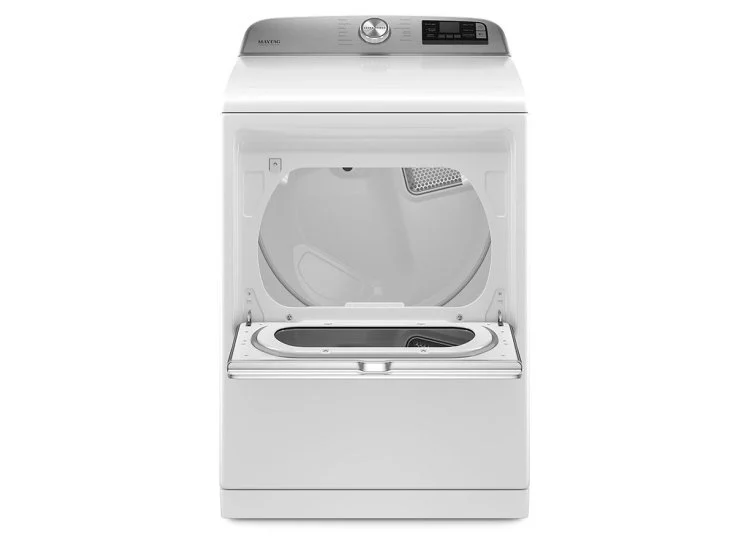 For see our clothes dryer recommendations on this site.
What Exactly Are Energy Star Certified Dryers?
This is the big question, right? An Energy Star certified dryer isn’t just a fancy label; it’s a promise. To earn this certification from the U.S. Environmental Protection Agency (EPA), a dryer must be independently verified to use about 20% less energy than a standard model.
How do they pull this off? It’s not magic, it’s smarter technology. The biggest innovation is the use of advanced moisture sensors. Your old dryer probably just runs on a timer, tumbling your clothes long after they’re dry and wasting a ton of energy (not to mention “baking” your fabrics). Energy Star certified dryers use sophisticated sensors to detect when your laundry is perfectly dry and then automatically shut off. This simple change prevents over-drying, which protects your clothes from damage and cuts down on unnecessary energy consumption.
“The single most important feature in modern dryers is the sensor. It’s the brain of the operation. A dryer that knows when to stop is a dryer that saves you money and extends the life of your wardrobe.” – Dr. Amelia Vance, Appliance Efficiency Researcher
The Different Flavors: Types of Energy-Efficient Dryers
Not all energy-efficient dryers are created equal. The technology under the hood makes a huge difference in performance, installation, and long-term savings. Let’s break down the main players.
The Game-Changer: Heat Pump Dryers
Think of a heat pump dryer as a refrigerator in reverse. Instead of pumping heat out, it recycles it. This is a closed-loop system that doesn’t need to be vented to the outside. It works by heating air, tumbling it through the clothes to collect moisture, then cooling the air to condense that moisture into a collection tank or drain. The same air is then reheated and sent back through the drum.
Because it recycles heat instead of constantly generating new hot air, it’s incredibly efficient—often using 40-50% less energy than conventional dryers. They are the gold standard when it comes to energy star certified dryers.
- Pros: Supremely energy-efficient, gentle on clothes due to lower drying temperatures, ventless design allows for installation almost anywhere.
- Cons: Higher upfront cost, can have longer drying times compared to traditional vented models.
The Traditionalist, Upgraded: Vented Dryers
Bảng trống.This is the type of dryer most of us grew up with, but with a modern, efficient twist. Energy Star certified vented dryers still heat air and pump the hot, moist exhaust outside through a vent. However, they incorporate those crucial moisture sensors and improved aerodynamics to do the job much more efficiently than their older counterparts.
- Pros: Lower initial cost than heat pump models, faster drying times.
- Cons: Requires external venting, which limits installation options and can be a source of home energy loss.
The Niche Player: Condenser Dryers
Condenser dryers are another ventless option. They work by heating air and tumbling it through the clothes. The hot, moist air is then passed over a heat exchanger (condenser), which cools the air and turns the moisture into water that’s collected in a reservoir. While more efficient than old-school vented models, most newer, top-tier energy star certified dryers are either heat pump or advanced vented models, as heat pump technology is generally superior in efficiency.
Quick Comparison: Which Dryer Type is for You?
| Feature | Heat Pump Dryer | Energy Star Vented Dryer | Condenser Dryer |
|---|---|---|---|
| Energy Use | Lowest | Medium | Medium-High |
| Upfront Cost | Highest | Lowest | Medium |
| Dry Time | Longer | Fastest | Medium |
| Installation | Flexible (Ventless) | Requires Venting | Flexible (Ventless) |
| Best For | Eco-conscious users, apartments, homes without venting | Budget-conscious buyers, large families with high laundry volume | Small spaces, apartments where heat pump is not an option |
Are Energy Star Certified Dryers Really Worth The Investment?
In a word: absolutely. While some models, particularly heat pump dryers, have a higher price tag, the savings on your utility bills over the life of the appliance are substantial. The EPA estimates that an Energy Star certified dryer can save a household over $200 over its lifetime.
But the value goes beyond your wallet.
- It’s Better for Your Clothes: The combination of sensor drying and, in the case of heat pumps, lower temperatures, is much gentler on fabrics. This means your favorite sweater and expensive jeans will look newer for longer, saving you money on replacing them.
- It’s Better for the Planet: Less energy used means a smaller carbon footprint. If every clothes dryer sold in the U.S. were an Energy Star model, we could prevent more than 22 billion pounds of annual greenhouse gas emissions.
Think of it this way: you’re not just buying an appliance; you’re making a long-term investment in lower bills, a longer-lasting wardrobe, and a healthier environment.
How to Choose the Perfect Energy Star Dryer for Your Home
Feeling ready to make the switch? Here’s a step-by-step guide to picking the right model.
- Measure Your Space: This is non-negotiable. Measure the height, width, and depth of the space where the dryer will go. Don’t forget to leave at least 4-6 inches behind the unit for connections and airflow.
- Assess Your Venting Situation: Do you have an existing, clean vent to the outside? If so, an Energy Star vented model is a great, affordable option. If you’re in an apartment, a closet, or a finished basement with no vent access, a ventless heat pump dryer is your best bet.
- Consider Capacity: Dryer capacity is measured in cubic feet. A good rule of thumb is to get a dryer with about twice the capacity of your washing machine. For a typical family of four, a dryer in the 7.0 to 8.0 cubic foot range is usually ideal.
- Look for Key Features:
- Steam Cycles: Great for de-wrinkling clothes and refreshing items without a full wash.
- Sanitize Option: Uses high heat to kill common household bacteria, perfect for bedding and baby clothes.
- Reversible Door: A simple but incredibly useful feature that lets you adapt the dryer to your laundry room layout.
- Smart Features: Wi-Fi connectivity allows you to monitor and control your dryer from your phone.
Pro Tips for Maximizing Your Dryer’s Efficiency
Even with the best energy star certified dryers, a few good habits can push your savings even further.
- Clean the Lint Filter Every. Single. Time. I can’t stress this enough. A clogged filter restricts airflow, making your dryer work harder and longer.
- Dry Full Loads: Don’t run the dryer for just one or two items. Wait until you have a full load, but don’t overstuff it. Clothes need room to tumble.
- Use the Right Cycle: Don’t just default to the “high heat” setting. Use lower heat settings for delicates and the auto-dry sensor cycle for everything else.
- Clean Your Dryer Vent Annually: Lint can build up in the vent hose over time, creating a fire hazard and crippling your dryer’s efficiency.
Frequently Asked Questions
Q: Do Energy Star dryers take longer to dry clothes?
A: Some models, particularly heat pump dryers, can have longer cycle times due to their use of lower temperatures. However, many users find the energy savings and gentler treatment of their clothes to be a worthwhile trade-off. Advanced vented models are typically just as fast as their standard counterparts.
Q: How much money can I really save with an Energy Star certified dryer?
A: The exact amount depends on your local electricity rates and how often you do laundry. On average, you can expect to save between $20-$30 per year, which adds up to over $200 over the typical 10-12 year lifespan of the appliance.
Q: Are ventless dryers a good idea?
A: Yes, especially modern heat pump models. They are perfect for apartments, condos, or any space where external venting isn’t possible. They are also highly efficient and don’t pump your conditioned indoor air outside like a vented dryer does.
Q: Do I need a special outlet for an Energy Star dryer?
A: Most electric dryers in the U.S., including Energy Star models, require a 240-volt outlet. Gas dryers require a standard 120-volt outlet and a natural gas or propane line. Always check the manufacturer’s specifications before purchasing.
Q: Is it hard to maintain a heat pump dryer?
A: Not at all. In addition to the main lint filter, heat pump dryers have a secondary filter or condenser area that needs to be cleaned periodically, usually every few months. It’s a simple process that only takes a few minutes.
Your Smartest Laundry Decision Starts Here
Choosing a new dryer is a big decision, but it doesn’t have to be a complicated one. By opting for one of the many excellent energy star certified dryers on the market, you’re making a choice that benefits your bank account, your clothes, and the environment. You’re investing in smarter technology that works for you, load after load.
From the super-efficient heat pump models that can be installed anywhere to the fast and reliable vented units, there’s an energy-saving option for every home and budget. We hope this guide has empowered you to make a confident choice.
Have you recently made the switch to an Energy Star dryer? We’d love to hear about your experience! Share your story in the comments below.
Frequently Asked Questions
Do Energy Star certified dryers take longer to dry clothes?
Some Energy Star models, particularly heat pump dryers, can have longer cycle times due to their use of lower temperatures. However, advanced vented Energy Star models typically dry clothes as fast as standard counterparts, offering energy savings without compromising speed.
How much money can I save with an Energy Star certified dryer?
On average, an Energy Star certified dryer can save households between $20-$30 per year on electricity bills. This accumulates to over $200 in savings over the appliance's typical 10-12 year lifespan, depending on local electricity rates and usage.
Are ventless dryers a good idea for modern homes?
Yes, modern ventless dryers, especially heat pump models, are an excellent choice for homes without external venting options like apartments or condos. They are highly efficient and do not expel conditioned indoor air outside, contributing to overall home energy efficiency.
What type of electrical outlet does an Energy Star dryer require?
Most electric Energy Star dryers in the U.S. require a 240-volt outlet for operation. Gas dryers, however, typically need a standard 120-volt outlet and a natural gas or propane line. Always verify the specific power requirements with the manufacturer's specifications before purchase.
Is maintaining a heat pump dryer more difficult than other types?
Maintaining a heat pump dryer is not difficult. In addition to the main lint filter, these dryers have a secondary filter or condenser area that requires periodic cleaning, usually every few months. This simple process takes only a few minutes to complete.
How to Choose the Perfect Energy Star Dryer
Selecting the right Energy Star certified dryer involves assessing your space, venting needs, capacity requirements, and desired features to ensure optimal efficiency and performance.
Accurately measure the height, width, and depth of the area where the dryer will be installed. Ensure you leave at least 4-6 inches behind the unit for proper connections and adequate airflow, which is crucial for efficient operation.
Determine if you have an existing, clean external vent. If so, an Energy Star vented dryer is a cost-effective option. For apartments, closets, or basements without vent access, a ventless heat pump dryer is the most suitable and efficient choice.
Choose a dryer with approximately twice the capacity of your washing machine. For an average family of four, a dryer with a capacity between 7.0 to 8.0 cubic feet is generally recommended to handle typical laundry volumes efficiently.
Evaluate features like steam cycles for de-wrinkling, a sanitize option for hygiene, a reversible door for flexible layout, and smart features for remote monitoring. These additions can enhance convenience and further optimize your laundry routine.
Get our weekly buyer guide
Practical specs, not advice. Unsubscribe anytime.
After reading about the EPA’s independent verification for Energy Star, I felt confident in my purchase. My new dryer is fantastic! It’s quieter than my old one and the clothes feel much softer, probably because they aren’t getting blasted with heat for too long. Definitely recommend going for a certified model.
We replaced our old unit with one of the high-efficiency models mentioned, and it’s been a solid improvement. The drying times are consistent, and I appreciate that it prevents over-drying, which used to shrink some of my shirts. It wasn’t the cheapest option, but the long-term savings on energy make it worth the investment.
I finally upgraded to an Energy Star certified dryer last month and I’m already seeing a difference in my electricity bill. The advanced moisture sensors are a game-changer; my clothes come out perfectly dry every time without that over-baked feeling. It’s great knowing I’m saving money and being a bit kinder to the environment too.
I got an Energy Star dryer because I really wanted to cut down on my utility bills. While it does seem to use less energy, I’ve noticed that sometimes the larger loads take a bit longer to dry completely, even with the sensors. It’s not a huge deal, but I occasionally have to run a second short cycle for towels.